In today’s hyper-connected world, businesses can’t afford generic messaging. CRM based communication is the game-changer—personalized, data-driven, and laser-focused on building lasting customer relationships.
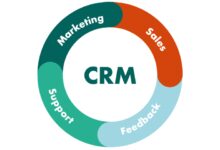
What Is CRM Based Communication?

CRM based communication refers to the strategic use of Customer Relationship Management (CRM) systems to deliver personalized, timely, and relevant interactions across multiple channels. It’s not just about sending emails or logging calls—it’s about leveraging customer data to create meaningful dialogues that foster loyalty and drive growth.
The Core Concept Behind CRM Communication
At its heart, CRM based communication transforms raw customer data—like purchase history, browsing behavior, preferences, and support tickets—into actionable insights. These insights power tailored messages, whether it’s a birthday discount, a follow-up after a support call, or a product recommendation based on past behavior.
Unlike traditional mass communication, CRM based communication treats each customer as an individual. This shift from transactional to relational marketing is what sets modern brands apart. According to Salesforce’s State of the Connected Customer Report, 84% of customers say being treated like a person, not a number, is crucial to winning their business.
How CRM Systems Enable Smarter Communication
Modern CRM platforms like HubSpot, Salesforce, and Zoho CRM act as centralized hubs for all customer data. They integrate with email, social media, live chat, phone systems, and even e-commerce platforms to create a 360-degree view of the customer journey.
This integration allows businesses to automate workflows, segment audiences dynamically, and trigger messages based on specific behaviors. For example, if a customer abandons a cart, the CRM can automatically send a personalized email with a discount code—proving that CRM based communication isn’t just efficient, it’s intelligent.
“The best CRM systems don’t just store data—they turn it into conversations.” — Gartner Research
Why CRM Based Communication Is a Business Imperative
Ignoring CRM based communication is no longer an option. In an era where personalization is expected, companies that fail to leverage CRM data risk losing customers to competitors who do. The benefits go far beyond improved customer satisfaction—they impact the bottom line.
Boosting Customer Retention and Loyalty
Acquiring a new customer can cost five times more than retaining an existing one. CRM based communication helps nurture long-term relationships by keeping brands top-of-mind through consistent, relevant engagement.
- Automated birthday and anniversary messages increase emotional connection.
- Personalized product recommendations based on past purchases improve cross-selling.
- Proactive support notifications (e.g., service updates) build trust.
A study by Bain & Company found that increasing customer retention rates by just 5% can increase profits by 25% to 95%. CRM based communication is a key driver of this retention.
Enhancing Sales Efficiency and Conversion Rates
Sales teams equipped with CRM insights can communicate more effectively. Instead of cold-calling blindly, they can reach out with context—knowing a lead downloaded a whitepaper, attended a webinar, or visited pricing pages.
This context allows for warmer, more relevant conversations. For example, a sales rep can say, “I noticed you were looking at our enterprise plan—would you like a demo tailored to your team’s needs?” This level of personalization increases conversion rates significantly.
According to Nucleus Research, every $1 invested in CRM technology returns an average of $8.71 in increased sales.
Key Components of Effective CRM Based Communication
To truly harness the power of CRM based communication, businesses must integrate several critical components. These elements work together to ensure messages are not only delivered but also resonate with recipients.
Centralized Customer Data Management
The foundation of any CRM based communication strategy is a unified customer database. This means consolidating data from various touchpoints—website visits, email interactions, social media engagement, and customer service logs—into a single, accessible profile.
Without this centralization, communication becomes fragmented. A customer might receive a promotional email for a product they already purchased, or be contacted by multiple departments for the same issue. A robust CRM eliminates these inefficiencies.
Tools like Zoho CRM and Microsoft Dynamics 365 offer advanced data integration features that sync information across platforms in real time.
Segmentation and Personalization Engines
One-size-fits-all messaging is dead. CRM based communication thrives on segmentation—dividing customers into groups based on behavior, demographics, or lifecycle stage.
- Behavioral segmentation: Targets users based on actions (e.g., frequent buyers, inactive users).
- Lifecycle segmentation: Engages customers based on their journey (e.g., new sign-ups, at-risk churners).
- Demographic segmentation: Tailors messages by age, location, or job role.
Personalization goes beyond using a customer’s first name. It involves delivering content, offers, and timing that align with their unique preferences. For instance, Netflix uses CRM-like algorithms to recommend shows, increasing user engagement by 80%.
Automation and Workflow Triggers
Manual communication doesn’t scale. CRM based communication relies on automation to deliver the right message at the right time—without human intervention.
Workflow triggers can be set up for events like:
- A customer signing up for a newsletter → Welcome email series.
- A support ticket being resolved → Satisfaction survey.
- A user reaching a loyalty milestone → Exclusive reward offer.
These automated sequences ensure consistency and timeliness, two pillars of effective communication. Platforms like HubSpot and ActiveCampaign offer intuitive drag-and-drop workflow builders that make automation accessible even to non-technical teams.
Channels for CRM Based Communication
CRM based communication isn’t limited to a single channel. The most effective strategies use a multi-channel approach, meeting customers where they are—whether that’s email, social media, SMS, or live chat.
Email Marketing: The Backbone of CRM Communication
Email remains one of the most powerful tools in CRM based communication. With an average ROI of $42 for every $1 spent, it’s a cost-effective way to nurture leads and retain customers.
CRM systems enhance email marketing by enabling:
- Drip campaigns that guide users through the buyer’s journey.
- Dynamic content that changes based on user data (e.g., showing different products to different segments).
- A/B testing to optimize subject lines, CTAs, and send times.
For example, an e-commerce brand can use CRM data to send a follow-up email to customers who viewed a product but didn’t buy, offering free shipping as an incentive. This targeted approach increases conversion likelihood by up to 50%, according to Campaign Monitor.
Social Media Integration
Social media is no longer just a branding tool—it’s a customer service and engagement channel. CRM based communication integrates social listening tools to monitor mentions, respond to queries, and even identify sales opportunities.
For instance, if a user tweets, “Loving my new purchase from @BrandX!”, the CRM can flag this as a positive sentiment and trigger a thank-you message or invite them to join a loyalty program.
Platforms like Sprinklr and Hootsuite integrate with CRMs to provide a unified view of social interactions, ensuring no customer message goes unnoticed.
SMS and Push Notifications
For time-sensitive communication, SMS and push notifications are unmatched. With open rates exceeding 90% within three minutes, SMS is ideal for appointment reminders, order updates, or flash sales.
CRM based communication uses these channels strategically—only for high-value, permission-based messages. For example, a healthcare provider can use CRM-triggered SMS to remind patients of upcoming appointments, reducing no-shows by 30%.
Apple and Google’s push notification APIs allow apps to send personalized alerts based on user behavior, such as “You left something in your cart!”—a classic CRM tactic.
Best Practices for Implementing CRM Based Communication
Implementing CRM based communication isn’t just about buying software—it’s about aligning people, processes, and technology. Here are proven best practices to ensure success.
Start with Clear Goals and KPIs
Before deploying any CRM strategy, define what success looks like. Common goals include:
- Increase email open rates by 20% in 6 months.
- Reduce customer churn by 15% using retention campaigns.
- Improve lead response time to under 5 minutes.
These KPIs guide your CRM setup and help measure ROI. Without clear objectives, even the most advanced CRM system becomes a data graveyard.
Ensure Data Quality and Compliance
Garbage in, garbage out. CRM based communication relies on accurate, up-to-date data. Regularly clean your database by removing duplicates, updating contact info, and validating email addresses.
Equally important is compliance with data privacy laws like GDPR and CCPA. Always obtain explicit consent before sending marketing messages and provide easy opt-out options. Non-compliance can lead to fines and reputational damage.
Tools like Clearbit and Hunter.io help verify and enrich contact data, ensuring your CRM communications are both effective and ethical.
Train Teams and Foster Cross-Departmental Collaboration
A CRM is only as good as the people using it. Sales, marketing, and customer service teams must be trained to input data consistently and use CRM insights in their daily workflows.
Encourage collaboration by setting up shared dashboards and reports. For example, marketing can alert sales when a lead engages with a high-value content piece, enabling timely follow-up.
Regular CRM audits and feedback sessions help identify bottlenecks and improve adoption across departments.
Common Challenges in CRM Based Communication and How to Overcome Them
Even with the best intentions, businesses face obstacles when implementing CRM based communication. Recognizing these challenges early allows for proactive solutions.
Data Silos and Integration Issues
One of the biggest hurdles is fragmented data. If your e-commerce platform, email tool, and support system don’t talk to each other, your CRM will have blind spots.
Solution: Invest in CRM platforms with strong API capabilities. Use integration tools like Zapier or Make (formerly Integromat) to connect disparate systems. Prioritize unified data architecture from the start.
Over-Automation and Loss of Human Touch
While automation is powerful, over-reliance can make communication feel robotic. Customers still value human interaction, especially during complex or emotional situations.
Solution: Use automation for routine tasks (e.g., order confirmations) but reserve high-touch interactions for human agents. Implement AI-powered chatbots that escalate to live agents when needed.
“Automation should enhance, not replace, human connection.” — Shep Hyken, Customer Service Expert
Measuring ROI and Attribution
It can be difficult to attribute revenue directly to CRM based communication efforts, especially in long sales cycles.
Solution: Use UTM parameters, track conversion paths, and leverage CRM analytics dashboards. Focus on leading indicators like engagement rates, lead velocity, and customer lifetime value (CLV) to gauge impact.
Future Trends in CRM Based Communication
The landscape of CRM based communication is evolving rapidly, driven by AI, machine learning, and changing customer expectations. Staying ahead of these trends ensures your strategy remains competitive.
AI-Powered Predictive Communication
AI is transforming CRM from reactive to predictive. Instead of waiting for a customer to act, systems can anticipate needs based on behavior patterns.
For example, if a SaaS user stops logging in, the CRM might predict churn risk and trigger a re-engagement campaign with a personalized video message from their account manager.
Companies like Salesforce Einstein and IBM Watson are already embedding AI into CRM platforms to deliver these insights at scale.
Hyper-Personalization with Real-Time Data
The future of CRM based communication is real-time personalization. Imagine a mobile app that adjusts its interface and offers based on a user’s current location, weather, and past behavior—all powered by CRM data.
For instance, a coffee chain could send a push notification for a hot drink when a loyal customer walks near a store on a cold day. This level of context is becoming the new standard.
Conversational CRM and Chatbots
Conversational interfaces are redefining customer communication. Chatbots powered by CRM data can answer questions, book appointments, and even process returns—24/7.
Unlike generic bots, conversational CRM integrates with customer histories, so a bot can say, “Hi Sarah, I see your last order was delayed. Would you like a refund or a replacement?”
Platforms like Intercom and Drift are leading this shift, blending automation with empathy.
What is CRM based communication?
CRM based communication is the use of Customer Relationship Management systems to deliver personalized, data-driven interactions across channels like email, SMS, and social media. It leverages customer data to improve engagement, retention, and sales.
How does CRM improve customer communication?
CRM improves communication by centralizing customer data, enabling segmentation, automating workflows, and personalizing messages. This leads to more relevant, timely, and effective interactions that build trust and loyalty.
What are the best tools for CRM based communication?
Top tools include Salesforce, HubSpot, Zoho CRM, Microsoft Dynamics 365, and ActiveCampaign. These platforms offer robust features for automation, analytics, and multi-channel engagement.
Is CRM based communication suitable for small businesses?
Absolutely. Many CRM platforms offer affordable, scalable plans for small businesses. Even basic CRM use—like sending personalized emails or tracking customer interactions—can significantly improve communication and growth.
How do you measure the success of CRM based communication?
Success can be measured through KPIs like customer retention rate, email open and click-through rates, lead conversion rate, customer satisfaction (CSAT), and customer lifetime value (CLV).
CRM based communication is no longer a luxury—it’s a necessity for businesses that want to thrive in a customer-centric world. By leveraging data, automation, and personalization, companies can build deeper relationships, drive loyalty, and achieve sustainable growth. The key is to start with a clear strategy, invest in the right tools, and continuously optimize based on feedback and results. As technology evolves, so too will the possibilities for meaningful customer engagement—making CRM based communication a cornerstone of modern business success.
Further Reading:
